
From Puppy to Adult Dog – Psychological Development
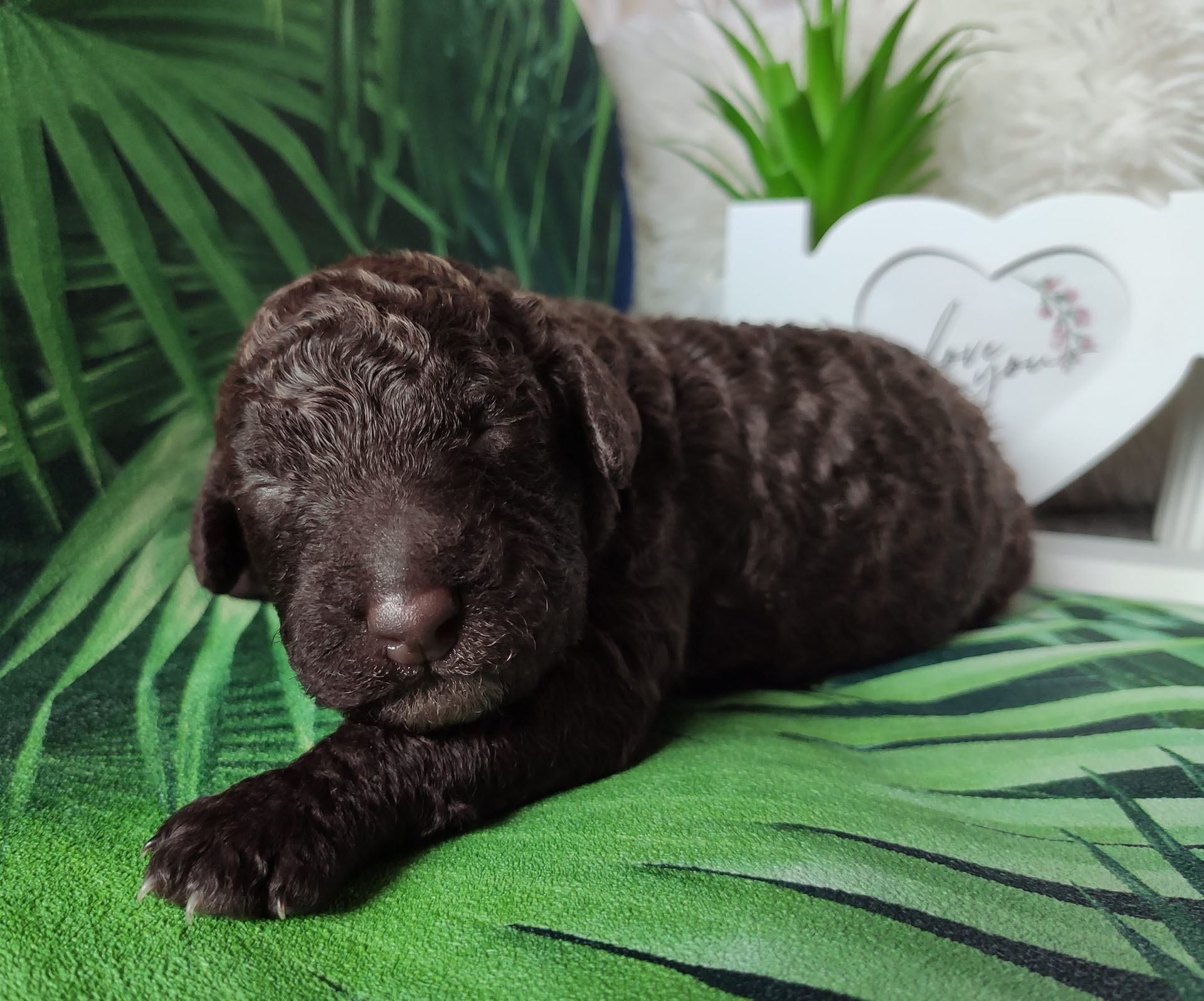
Stage 1 – newborn baby
The first 2 weeks of life
Here it is! Your dream puppy has just made his first squeak, and you get information that your family will grow. The baby is still blind and does not hear, but with surprising acumen he goes to his mother’s nipple. The dog’s nose already works flawlessly. A defenseless puppy is completely dependent on his mother, he warms up next to her, and she licks his tummy and stimulates his digestive system to work. During this time, the dog is already gaining its first experience. Of course, we want him to have only positive, but according to research, microstresses at this time are very advisable.
These microstresses are the so-called neurostimulation carried out by breeding, and it consists in short sessions of stimulating puppies. We touch the puppy between the claw pads, raise and lower its head, raise it in a position on the back or subject it to a few seconds of thermal stimulation. Such exercises performed daily for 3 minutes between 3 and 16 days of age have a very positive effect on the nervous system, endocrine system and circulation of toddlers. Thanks to these exercises adult dogs are also more resistant to stress and disease.
Stage 2
13th – 20th week of life
The dog moves more and more efficiently, sees and hears, begins to slowly eat on its own, and also acquires some important skills. One of them is the inhibition of biting. The puppy learns it during (increasingly intense) scouting with his siblings. Dogs, biting themselves, begin to see the boundary between playing and causing pain. What is very important, if the breeder, for example, isolates puppies from himself and they do not learn how to bite not to hurt anybody. This may result, the dog is to bite your hands too strong and can experience problems playing with other dogs. Mastering the inhibition of biting does not mean, of course, that the puppy will not bite at all. Remember that this is still a child and sometimes he can get too carried away by the fun. This behavior usually weakens significantly after 5 months of age.
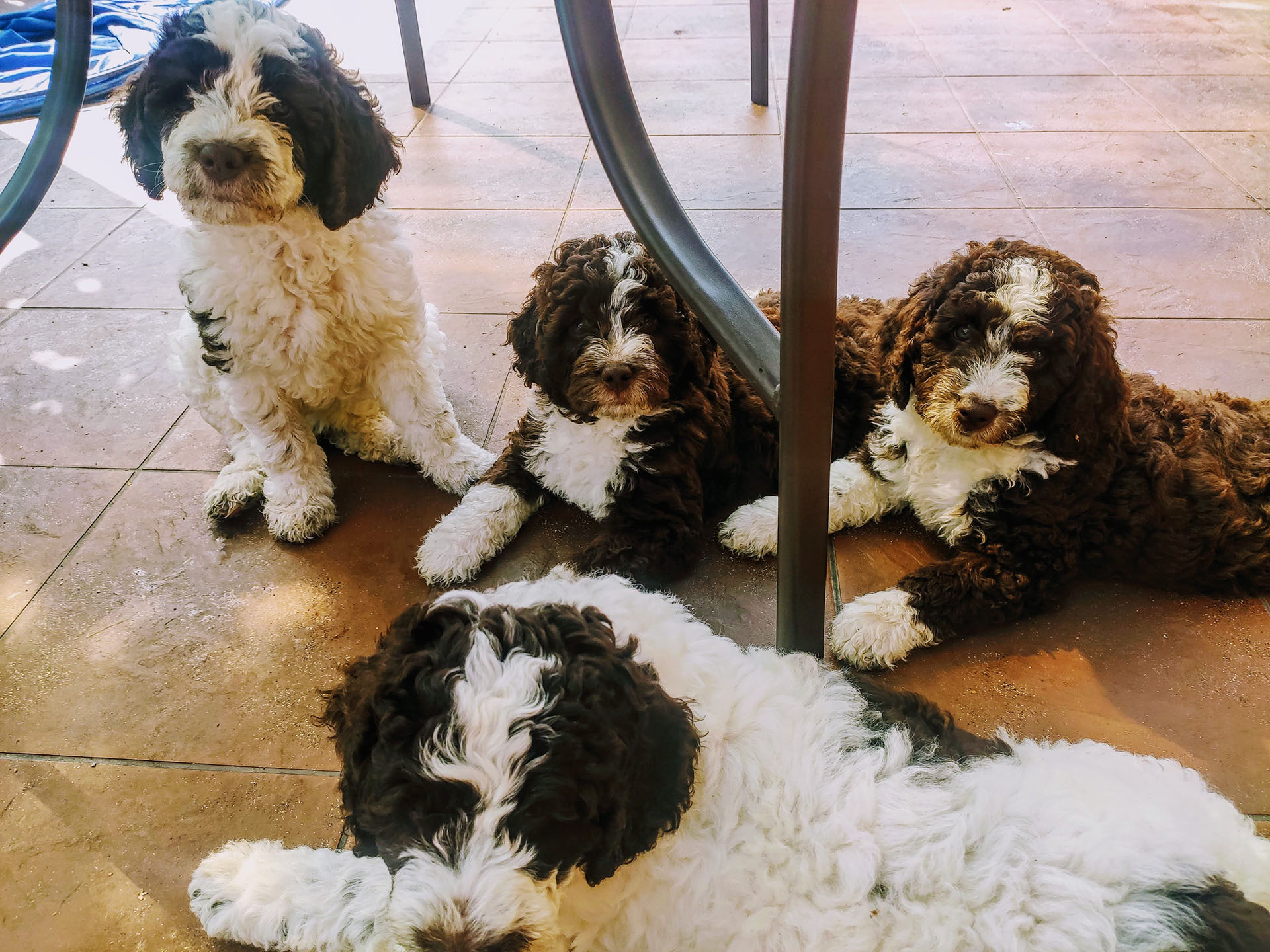
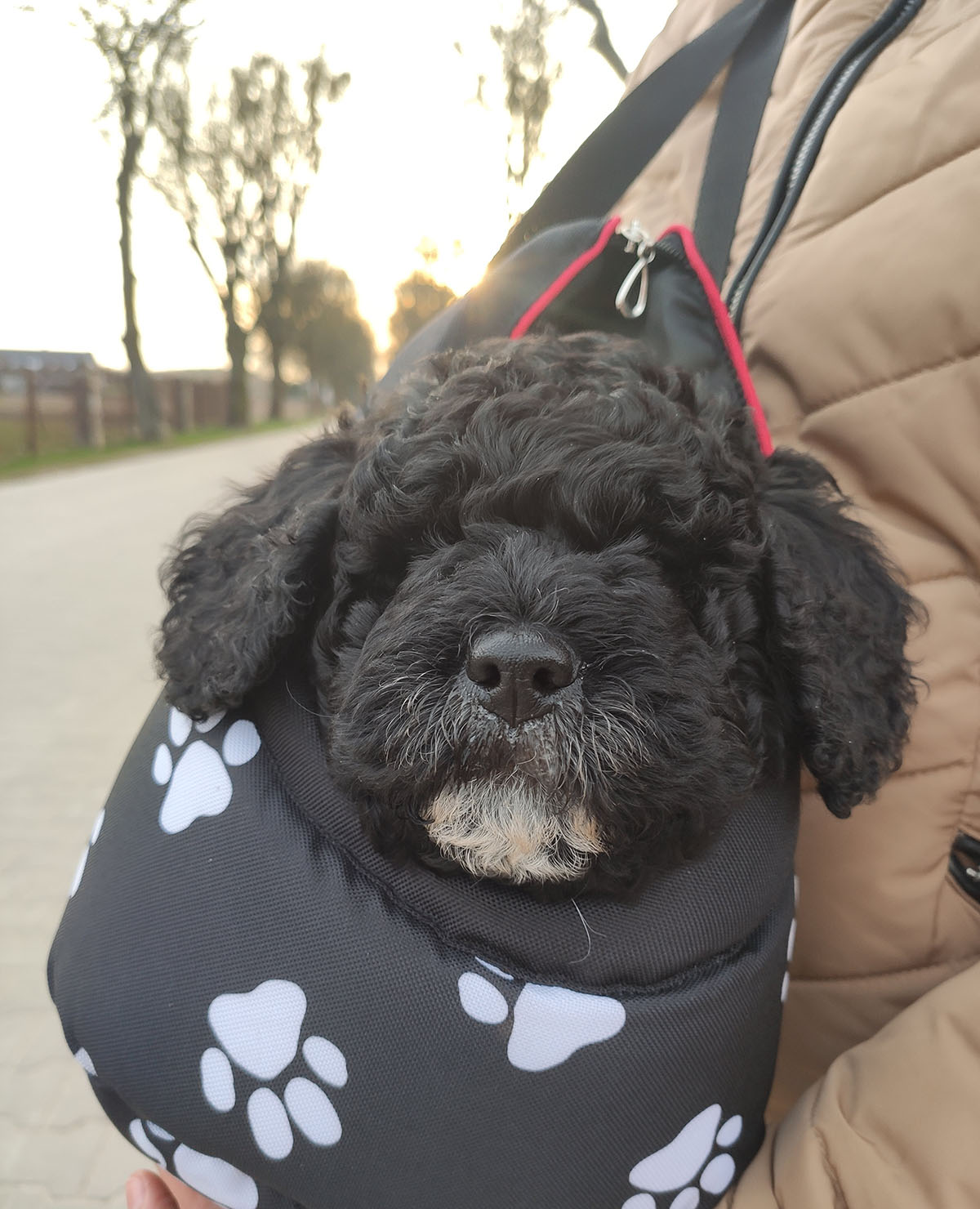
Stage 3 – Socialization
4th-12th week of life
Unfortunately, this stage passes irretrievably and you have to use every second of it. In the case of the Spanish Water Dog, socialization is extremely important. Spanish dogs are very versatile dogs with a tendency to guard, so the more things and situations they get to know as very young puppies, the less anxiety and desire to guard they will have in the future. A puppy during the socialization period learns what it’s actually like to be a dog. He learns to communicate with other dogs, gets to know the world. During this time, we familiarize the dog with various situations, show him different people, other animals, take him to different places and let him observe, while giving out a lot of treats. The work begins with the breeder, and continues with a new family. Socialization should be planned very well, because unintentionally we can do the dog more harm than good. Exposing it to too many stimuli can have an adverse effect on its development. The work begins with the breeder, and continues with a new family. Socialization should be planned very well, because unintentionally we can do the dog more harm than good. Exposing it to too many stimuli can have an adverse effect on its development.
At this point, there is both a happy and sad moment for the breeder. It’s time to part with the puppies and let them become a part of their new families.
Stage 4
3th – 6th month of life
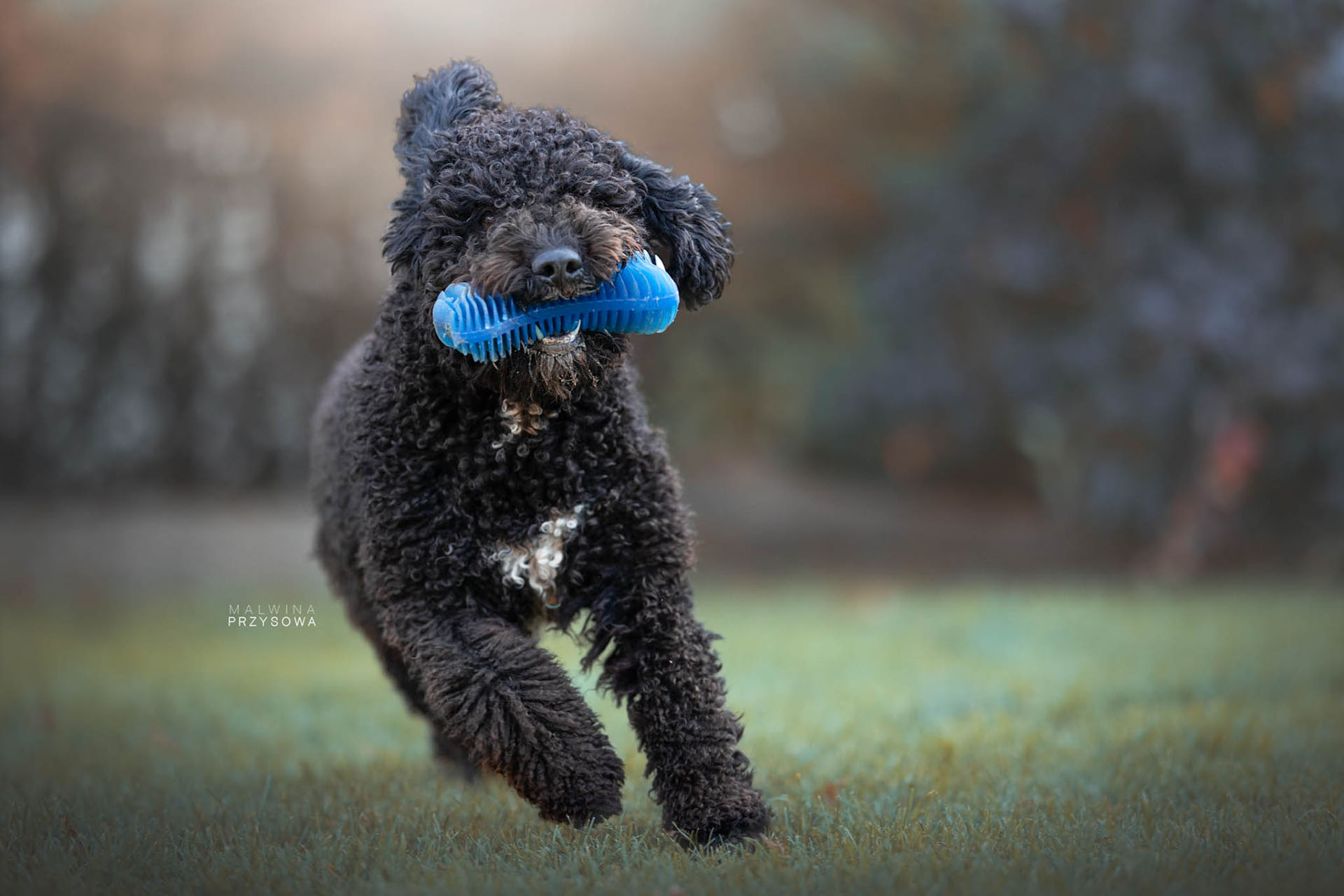
Your pet still looks like a cute puppy. However, do not forget that he grows up very quickly and if you turn a blind eye now to behaviors that you would not be willing to tolerate in an adult dog, then you need to start working on basic obedience. A great option is a dog kindergarten, where under the guidance of professional trainers you will strengthen the human-dog relationship. At this stage, the puppy begins to change teeth. The gums itch the dog, so he can be more agitated and unruly, he can also bite your favorite shoes or cables. You need to secure your house and have a lot of patience. You should also have a large selection of dog chews (preferably natural). By the end of this period, your dog becomes more independent and does not come to the call with such enthusiasm as before. Consistent and positive work is very important at this age.
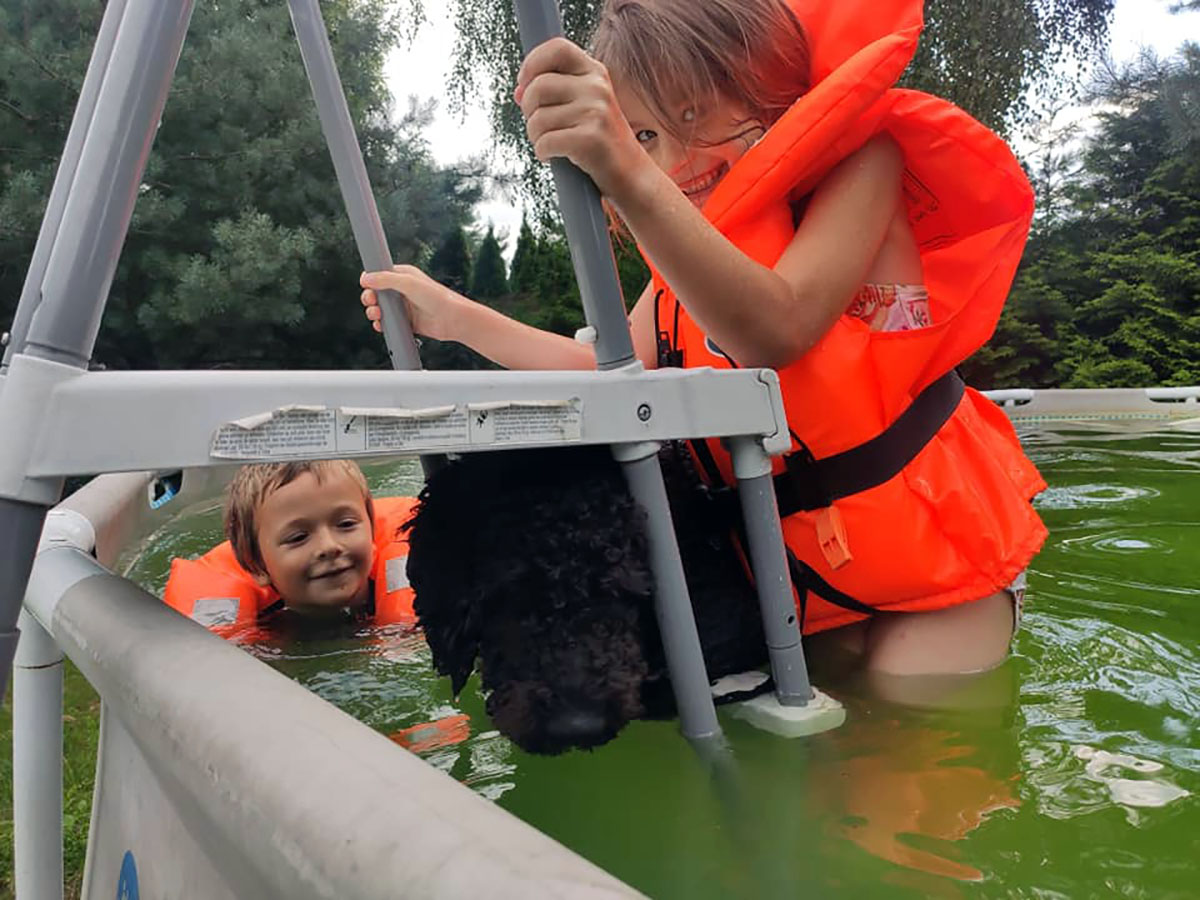
Stage 5 – A rebel for no reason
6th-14th month of life
Do you remember that cute and cheerful ball? Try to remind this picture to yourself and be prepared for what is going to happen now . You will have an impression that your dog has changed into a little devil. The puppy already resembles an adult dog in appearance, but there is a hormonal storm in its which results in mamy changes in behaviour the same as in the human brian during adolescence. To put it bluntly, you have a teenager at home who is hormone-pumped and rebellious. Only patience and consistency can save you.
Some of your dog’s undesirable behaviours intensify, and there may be anxiety and aggression – even in relation to things and situations that your dog has already known. The dog shows a greater tendency to escape and unwillingness to return. Your reactions to such behaviors are crucial. Try to stay calm and ignore the demon that has entered your dog.
During this period, the increased need to bite returns, which is why chews cannot be missing at home. Give the agitated dog treats in a licking mat or in the KONG – licking calms down and relaxes.
However, it happens that the period of hormonal changes runs quite calmly.
Stage 6 – adulthood
From 1th – 4th year of life
Medium breeds reach adulthood about 18-24 months of age. Spanish Water Dogs, specifically males of this breed, are an exception in this criterion on a large scale. Emotionally, they mature much later.
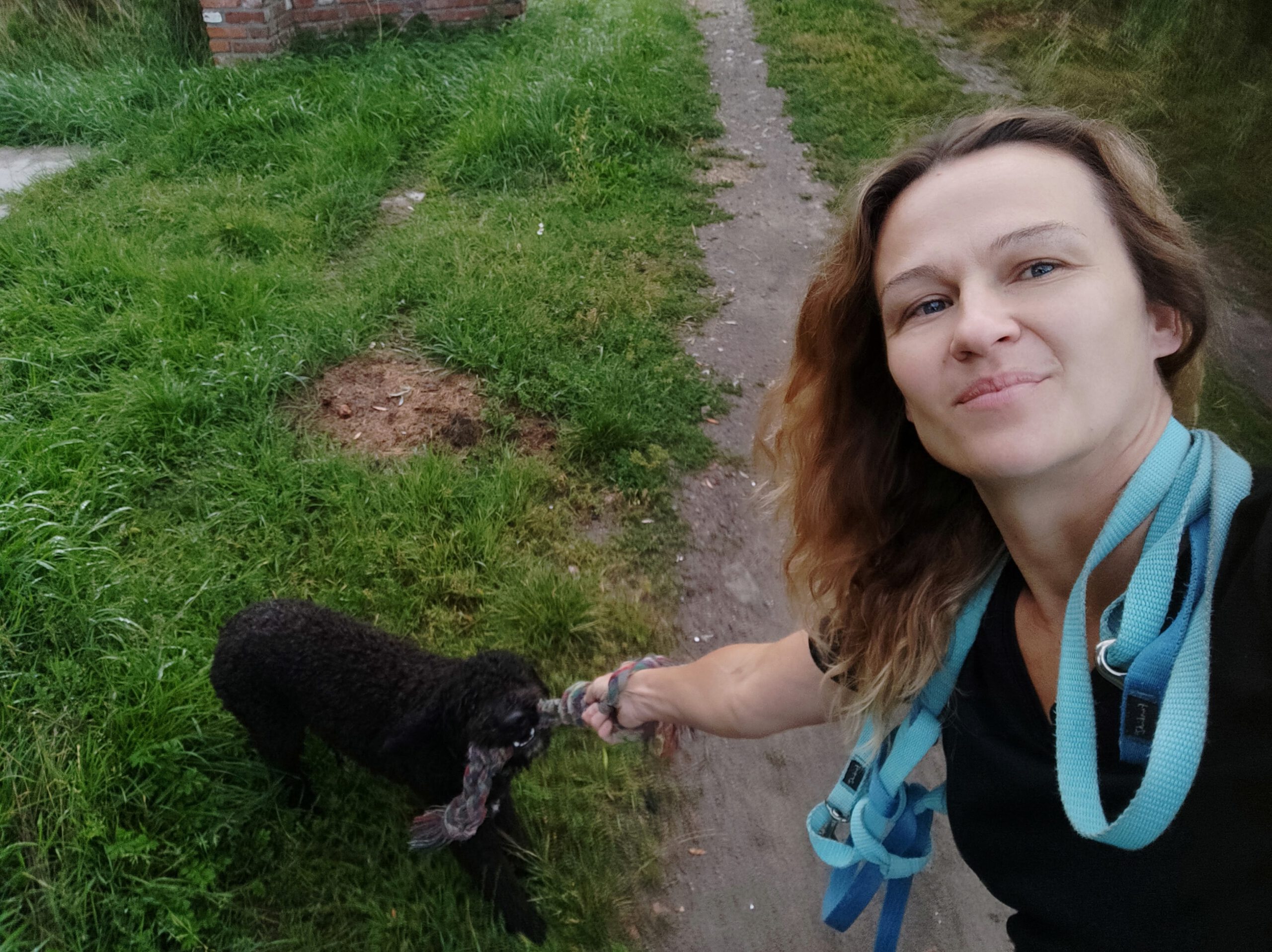
At this stage, you already have a fully developed physically and mentally dog. Character has been shaped and the place in the family has been determined. It is very important that even before the puppy appears in your home, you establish rules with other members of the household regarding the dog, which everyone will respect. An unclear position in the family, when one household member allows a dog, for example, to sit on the couch, and another chases him out of it, can cause stress and even aggression in an adult dog.

Stage 7 – old age
From 7th year of life
Dogs of medium breeds live about 12-15 years old. The Spanish Water Dog is a fairly hardy breed and its representative can enjoy good health for a long time, if you take care of it from the very beginning.
This stage is the saddest and most difficult for us – the owners. We need to be even more empathetic and patient than ever before.
The senior gets sick more often, no longer has enough strength to run after the ball, prefers shorter and less intense walks, sleeps more, moves slower and harder, has visually impaired and hearing problems. The dog’s nose, on the other hand, is functional until the very end, so you should still stimulate the old dog’s sense of smell.
Your task is to give him so much love and support that the dog autumn of life is as dignified and comfortable as possible for him.
Author of the text: Sonia Karlińska-Łukawska.
